
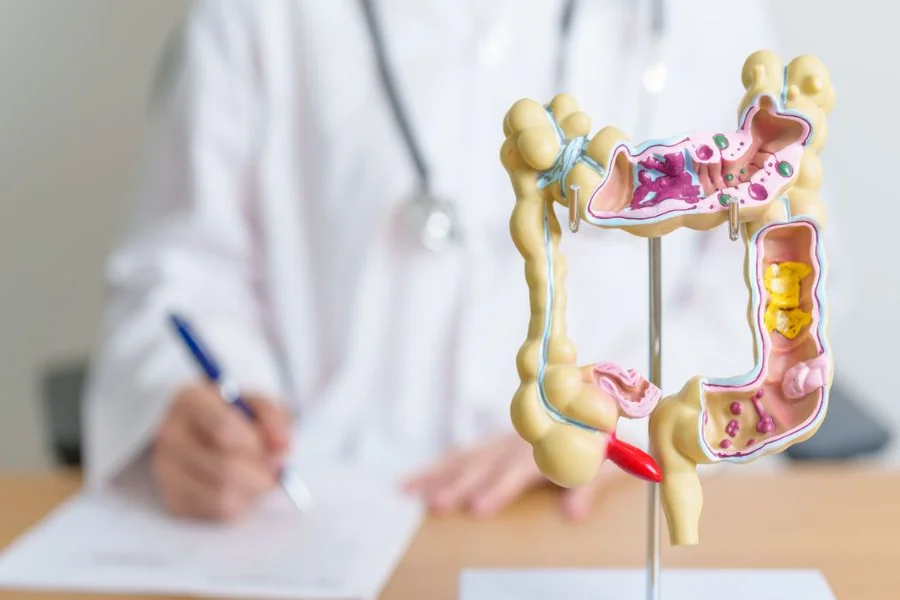
Colon cancer remains one of the most common cancers in Singapore, affecting both men and women. In fact, it consistently ranks among the top causes of cancer-related deaths locally. Despite its prevalence, many cases can be successfully treated with early detection. This is why regular screening plays such a vital role in safeguarding long-term digestive health.
Colonoscopy Singapore is widely regarded as the gold standard screening test for colon cancer. It not only allows doctors to detect early warning signs, such as polyps or abnormal tissue, but also enables immediate removal of these precancerous growths before they progress. By taking a proactive approach through timely colonoscopy screening, individuals can greatly reduce their risk when it comes to their digestive well-being. To learn more about how a colonoscopy works, read more here https://andrea-digestive-clinic.com/colonoscopy/.
What Is a Colonoscopy and How It Works
A colonoscopy in Singapore is a medical procedure that allows doctors to examine the inside of your large intestine using a thin, flexible tube with a camera. This helps detect polyps, inflammation, bleeding, or other abnormalities that may indicate early signs of colon cancer.
The procedure is usually performed under light sedation, making it comfortable and painless for most patients. It typically takes 30 to 45 minutes, and most people can go home the same day. During the procedure, doctors can also remove polyps or take tissue samples for further testing, making colonoscopy both a diagnostic and preventive tool.
How Colonoscopy Helps Detect Colon Cancer Early
Early detection is critical in the fight against colon cancer, as it greatly improves treatment outcomes and survival rates. Screening allows doctors to identify abnormalities before they develop into serious conditions. Here’s how the procedure can make a difference:
- Identifies Polyps Early: Small growths in the colon, called polyps, can develop into cancer over time. Detecting and removing them early reduces the risk of progression.
- Detects Cancer at Its Earliest Stage: Early-stage cancer often shows no obvious symptoms. Screening helps uncover it when treatment is most effective.
- Monitors High-Risk Individuals: People with a family history of colorectal cancer or certain medical conditions can benefit from more frequent monitoring.
- Supports Preventive Health: By finding and removing precancerous lesions, the procedure acts as a preventive measure rather than just a diagnostic test.
Regular screening is especially important for adults above 45 or those with risk factors. Even in the absence of symptoms, early intervention can save lives and minimize the need for more invasive treatments later.
Prevention Through Polyp Removal
One of the key benefits of the procedure is its preventive potential. Many colon cancers begin as small, noncancerous growths called polyps. Removing these growths early can significantly lower the risk of developing cancer.
- Immediate Polyp Removal: During the procedure, doctors can safely remove polyps before they become malignant.
- Reduces Long-Term Cancer Risk: Studies show that removing precancerous lesions can prevent the majority of future colon cancers.
- Minimally Invasive: Polyp removal is performed using the same equipment during the screening, avoiding the need for separate procedures.
- Follow-Up Planning: The number, size, and type of polyps help doctors determine personalized follow-up schedules for ongoing monitoring.
Who Should Consider a Colonoscopy in Singapore
Screening is important for adults to maintain digestive health and catch potential issues early. Generally, it is recommended for individuals starting at age 45, even if there are no symptoms. Certain factors may indicate a need for earlier or more frequent screening:
- Family history of colorectal cancer or polyps
- Personal history of inflammatory bowel disease or other digestive conditions
- Unexplained changes in bowel habits, blood in stool, or persistent abdominal pain
High-risk individuals may benefit from a tailored screening schedule, determined by a digestive specialist. Regular monitoring allows doctors to detect abnormalities early and prevent complications.
Benefits for Consulting a Gastro Doctor in Singapore
Preparation is an essential part of the screening process. Patients are usually asked to follow a special diet and take a bowel-cleansing solution the day before the procedure. This ensures the colon is clear, allowing the doctor to examine the lining thoroughly. It is also recommended to arrange transportation, as sedation is commonly used during the procedure.
During the procedure, a thin, flexible tube with a camera is gently inserted into the colon. Most patients receive light sedation, making the experience comfortable and painless. The procedure typically lasts 30 to 45 minutes, during which the doctor examines the colon, removes polyps if necessary, and may take tissue samples for further analysis.
Afterward, patients are monitored for a short period until the effects of sedation wear off. Some mild bloating or cramping may occur, but most people can resume normal activities within a day. Doctors will review the results and discuss any follow-up care or additional tests if needed. Understanding each step helps patients feel prepared and reassured about the screening process.
Conclusion
Regular screening is a simple yet powerful way to detect and prevent colon cancer early. By taking proactive steps, you can safeguard your digestive health, identify potential issues before they become serious, and gain peace of mind for the long term.