
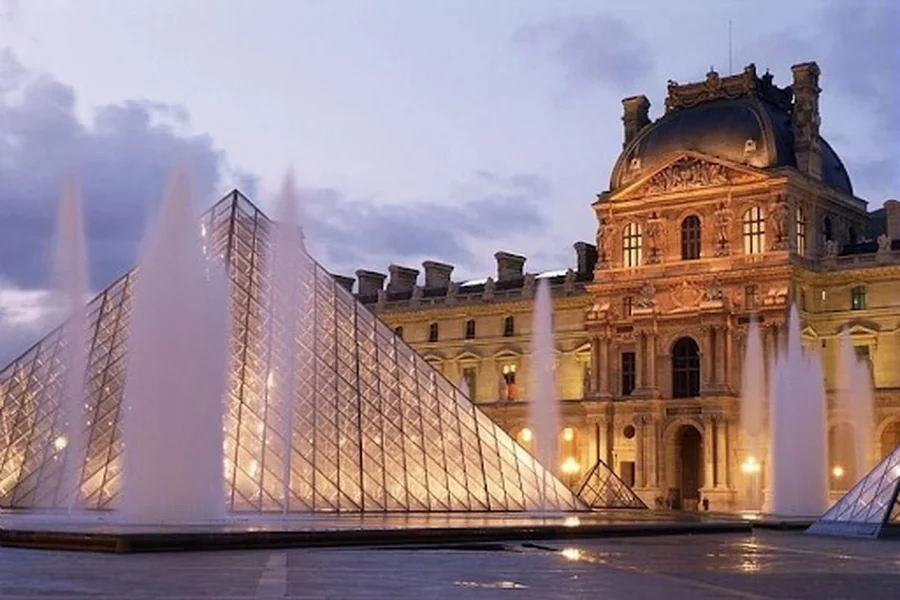
France is one of those magical places that stirs the imagination long before you step off the plane. The food, the fashion, the art, the countryside—there’s a reason it’s one of the most visited countries on the planet. But behind all the beauty and romance, France is also a place where social customs still matter. A lot. And if you’re not familiar with the basics of French etiquette, you might find yourself unintentionally stepping on cultural toes.
So, if you’re planning your first (or fifth) trip to France, here’s a down-to-earth guide to help you blend in, avoid awkward moments, and enjoy a smoother, more immersive experience. Whether you’re booking a boutique stay in Paris or checking into a countryside vad hotel after a scenic train ride, a little cultural preparation makes all the difference.
Start with a Simple “Bonjour”
Let’s start with the basics. In France, greetings are everything. A simple “Bonjour” when you walk into a shop, restaurant, or even a small boutique sets the tone. It’s not just a polite gesture—it’s an expectation. Don’t be surprised if a lack of greeting earns you a chilly reception. The same applies when leaving: a quick “Merci, au revoir” goes a long way.
The Language Barrier—and Why It Matters
Now, let’s talk about the language barrier. Contrary to what some tourists hope, English is not widely spoken in many parts of France, especially outside the big cities. Even in Paris, you may encounter servers, drivers, or hotel staff who prefer to stick to French. That’s not rudeness—it’s just cultural pride. Make an effort to learn a few key phrases. Even a hesitant “Parlez-vous anglais?” will likely be appreciated more than launching straight into English. A little effort goes a long way here.
No, the French Aren’t Rude—They’re Formal
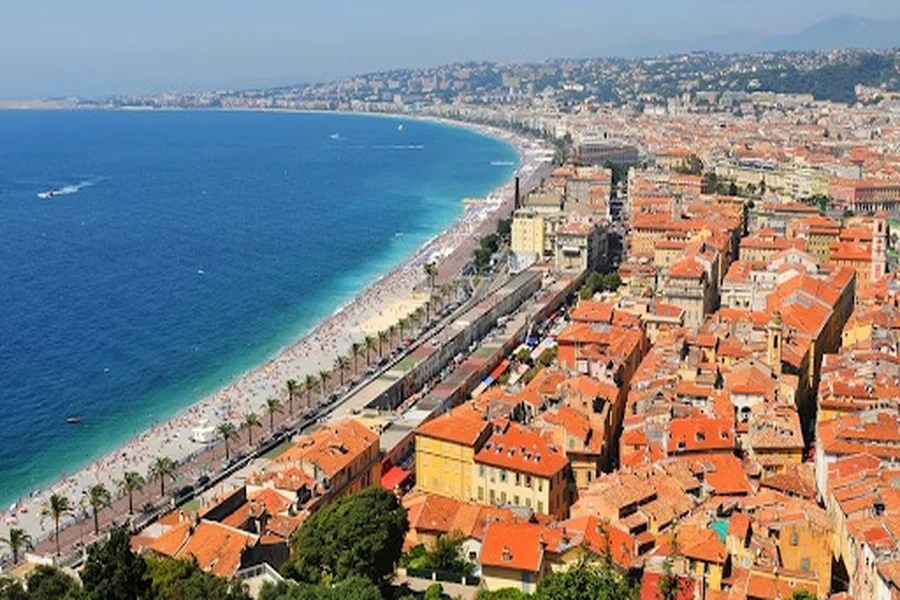
Speaking of that infamous French reputation—no, the French aren’t rude. They’re formal. There’s a difference. While friendliness in some cultures means smiles and small talk, the French value respectful distance, proper tone, and quiet confidence. Don’t expect effusive greetings or eager service. It’s not personal—it’s just different.
Mastering the Art of the French Meal
Dining in France is an experience in itself. It’s leisurely, thoughtful, and often full of unspoken rules. First off, never rush a meal. Lunch and dinner are meant to be enjoyed slowly, and waiters won’t hover over you with the check. You’ll likely need to ask for it when you’re ready to leave—“L’addition, s’il vous plaît” is the magic phrase. And while tipping is not obligatory (a service charge is included in your bill), it’s still customary to leave a little extra for good service—rounding up or leaving about 10% is perfectly acceptable.
Coffee Culture: Stand Up and Save
Here’s a fun twist for coffee lovers: if you drink your espresso standing at the bar, you’ll pay less than if you sit down at a table. Table service includes a premium, so if you’re on a budget, enjoy your coffee the way locals do—upright and quick. For more lifestyle tips and quirky cultural insights, visit infomagazine.
Why Everything Shuts Down After Lunch
If you’re venturing into smaller towns or villages, don’t be surprised to find stores and businesses closed for lunch—often from 1 PM to 4 PM. This mid-day break is a beloved part of French life, especially in the countryside. Plan your errands and restaurant visits accordingly, or you might find yourself staring at a locked door.
Shopping with Subtlety and Style
Shopping etiquette also differs from what some travelers may be used to. In many smaller stores, touching the merchandise without asking is frowned upon. Instead, make eye contact with the shopkeeper, say “Bonjour,” and let them guide the interaction. It may feel formal at first, but it’s a sign of mutual respect.
Trains, Cars, and Getting Around
Getting around? France’s train system is not only efficient but also a great way to explore less touristy regions. But don’t assume you can just show up and grab a seat—many long-distance trains require advance reservations. If you’re exploring the countryside, renting a car is also a solid option. Just remember: manual transmission is the norm, and “essence” means gasoline while “gasoil” is diesel.
Book Ahead—Especially in Summer
When it comes to accommodations, particularly in cities like Nice or Paris, book early—especially if you’re traveling in peak season. French hotels tend to be on the older side, and availability fills up fast in summer. Don’t leave it to chance unless you’re okay with last-minute scrambling.
Respect, Rhythm, and the Joy of Going Slow
At the end of the day, what matters most in France is showing a little effort and a lot of respect. Learn a few words of French. Dress neatly. Greet people properly. And don’t stress if things move a bit slower than you’re used to—slowness is part of the charm.
France Isn’t Just a Destination—It’s a Way of Life
France isn’t just a destination. It’s a lifestyle. And once you get in sync with it, you’ll wonder why you ever rushed through life in the first place.