
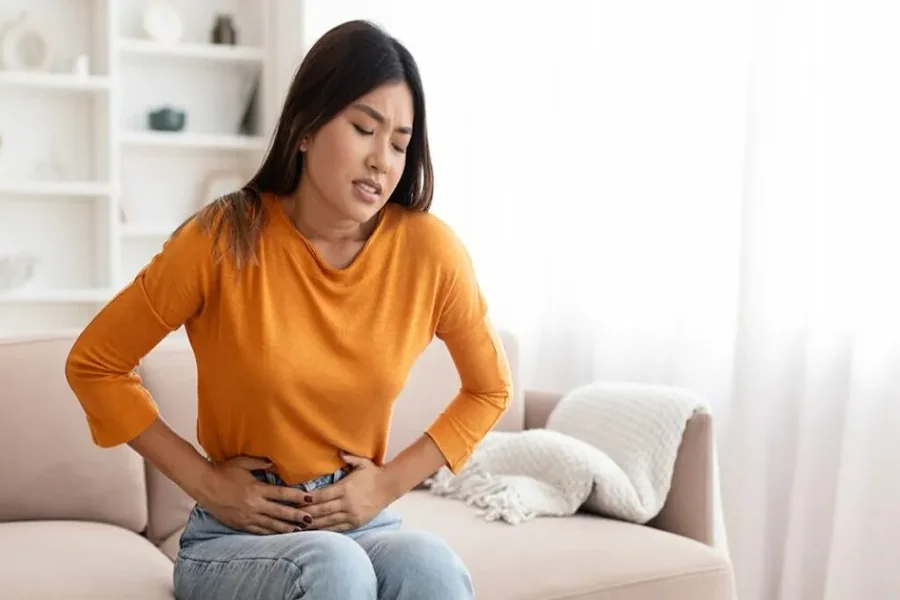
There are many conditions and diseases that affect a woman’s reproductive system. More often than not, these go undetected until unusual symptoms arise. Endometriosis, a chronic condition experienced by many women, may have signs that are similar to your monthly menstrual cycle. This article serves as a guide on how to deal with endometriosis, when to see a women’s health specialist in Singapore, and prevention tips.
What is Endometriosis?
Endometriosis occurs when your uterus begins to grow a lining of tissue that is similar to the endometrium on the organs outside of the uterus. This misplaced lining often covers the fallopian tubes, ovaries, and the tissue that lines the pelvis. This abnormal tissue also grows like the endometrial tissue. It thickens, breaks down, and bleeds when you are on your period. The only difference between the two tissues is how they are flushed out from your body.
Unlike the lining of the uterus, the blood from tissue that has formed outside of the uterus remains within the area since it has no path to exit from your body. This results in complications that affect your other organs and lead to inflammation, chronic pain, and other health issues.
What are the shared symptoms of endometriosis and a menstrual period?
There are several symptoms that are common to endometriosis and a menstrual period. Hence, it is easy to shrug off endometriosis’ symptoms as part of your menstruation. Here are the signs shared by endometriosis and menstruation:
- Bloating: This is a common symptom during your period, but with endometriosis, bloating can last for a month and not just within your menstrual period.
- Fatigue: While this symptom may not be for everyone, feeling tired during your period is typical due to your body’s fluctuating hormones. With endometriosis, your body experiences chronic fatigue as a result of its continuous bout with inflammation and pain.
- Heavy Periods: Menorrhagia, or heavy periods, can be a sign of endometriosis. This is also a normal happening for women who naturally have heavier menstruation. However, if your heavy period goes beyond the normal number of days for a menstrual cycle and is accompanied by blood clots and pain, you should consult with a women’s health specialist to get an endometriosis assessment.
- Lower Back Pain: Uterine contractions as you menstruate can cause mild to moderate pains in your lower back. However, lower back pain due to endometriosis is more severe and can extend beyond your period.
- Nausea: The urge to vomit along with cramps are very common whenever your period strikes. This is also an endometriosis symptom that can accompany your painful periods.
- Painful Urination or Bowel Movements: It is normal to feel a bit of pain or discomfort whenever you pee or move bowels during your period as this can place a pressure on the bladder or intestines from the uterus. However, if the pain that you feel is extreme and causes constipation or diarrhoea during your periods, it can be a sign that an endometrial tissue is present near your intestines or bladder area.
- Pelvic Pain: Dysmenorrhoea, or pelvic pain, happens during uterus contractions to shed the lining. You may or may not experience menstrual cramps in your pelvic area during your menstruation. On the other hand, pelvic pain caused by endometriosis lasts longer than your period and the pain is more severe.
Between a regular menstrual period and endometriosis, the key difference is the severity and longevity of the pain or discomfort that you feel. Symptoms of endometriosis usually lasts longer and may appear outside of the days when you have your menstruation. The pain caused by endometriosis’ symptoms are also more intense and can have a debilitating impact on your daily life. In addition, the pain due to endometriosis can be felt in the other areas of your body, particularly the lower back and thighs.
It is critical that you are aware of the distinct signs of endometriosis, so you may get treatment as soon as possible.
What are the causes and risk factors of endometriosis?
The direct cause of endometriosis is yet to be discovered, but its development is linked to various factors:
- Age
- Family History
- Immune System Conditions
- Menstrual History
Endometriosis is often diagnosed in women who are in their 30s or 40s, but it can also affect younger women especially when the condition is in their family history. The risk is also higher for women who have certain immune system disorders and those with short menstrual cycles, as well as heavier and longer periods.
What are the treatments available for endometriosis?
Early detection and medical intervention is important for women who already have endometriosis symptoms and those whose risks are high in developing this condition. Some examples of treatment options are hormonal therapies, pain management, and surgery (laparoscopy).
What are some tips to prevent endometriosis?
While endometriosis prevention cannot happen always, there are many ways that can work to minimise the risk of developing this condition. These methods focus on managing hormones, specifically estrogen, as it is believed to play a crucial role in endometriosis development. Below are some tips that can be done for endometriosis prevention or control:
- Healthy Diet: The food that we eat has a direct effect on our body. These can affect our hormonal imbalances and cause inflammation. Hence, it is essential that you incorporate foods that are anti-inflammatory, such as fruits, vegetables, healthy fats, and whole grains into your daily meals to aid in reducing inflammations that can contribute to or worsen your condition.
- Hormonal Contraceptives: An effective way to control the estrogen levels in your body is through the use of hormonal contraceptives, such as birth control pills, patch, ring, or intrauterine device (IUD). This method cannot cure endometriosis, but can lessen its occurrence and minimise the intensity of symptoms.
- Pregnancy: Getting pregnant may minimise the risk of developing endometriosis as the rise of estrogen and progesterone levels during this period can stop the growth of abnormal tissue outside of the uterus.
- Regular Exercise: Keeping your body fit and active also benefits your hormone regulation. Exercising regularly can help lower your estrogen levels, which decreases your risk of developing endometrial tissue.
- Stress Management: Hormonal imbalances can be caused by chronic stress as the levels of cortisol in your body increases. This can influence the growth of the lining outside of the uterus leading to endometriosis. To manage your stress, try meditation and mindfulness techniques. Also, always be sure that you get adequate rest and sleep everyday.
When should you see a women’s health specialist?
If you notice that the symptoms you experience are more intense and lasts longer than your menstrual period or if they occur at any time of the month, then you should see a women’s health specialist as soon as possible. They can help assess your symptoms, perform tests, diagnose, and provide medical interventions to manage and treat endometriosis.