
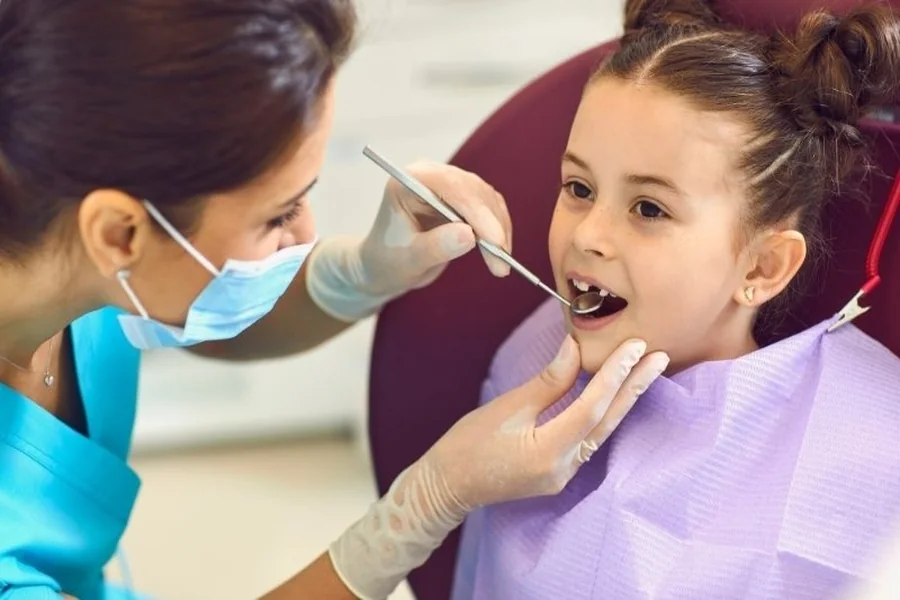
A first dental visit can shake a child. New faces. Bright lights. Strange tools. Your child watches you and absorbs your tension. If you feel afraid or rushed, your child feels it. You can change that. You can turn this first visit into a calm start instead of a memory of fear. A North Richland Hills dentist can help guide you, but your part matters most. You set the tone before you even walk through the door. You choose the words. You plan the day. You guide your child through each step. This blog gives you clear steps you can follow right away. You will see how to prepare at home, what to say in the car, and how to support your child in the chair. You can protect your child’s teeth and protect their trust at the same time.
1. Talk early and use simple words
You calm fear when you name things. Start a few days before the visit.
- Say “tooth doctor” instead of complex terms.
- Explain that the dentist counts teeth, cleans teeth, and checks for sugar bugs.
- Keep your words short and clear.
Avoid scary words. Skip “shot,” “hurt,” or “drill.” If your child asks if it will hurt, stay honest without drama. You can say, “You might feel a quick pinch. I will be right next to you.” This builds trust. Your child learns that you tell the truth in a calm way.
You can read simple picture books about the dentist. The American Academy of Pediatrics lists story ideas and guidance on first visits on its parenting site HealthyChildren.org. Shared stories turn fear into something your child can see and name.
2. Practice at home with play
Children handle new steps better when they have a “rehearsal.” You can set this up in your living room.
- Use a spoon as a mirror and count your child’s teeth.
- Let your child pretend to be the dentist and check your teeth.
- Practice opening wide for a count of three.
Next, add simple rules. Sit in a chair. Fold hands on the lap. Use a soft toy as the “patient.” This play turns the visit into something familiar. Your child learns what to expect. Your child also feels some control. That control lowers fear.
3. Choose the right time and plan the day
Timing can decide how the visit feels. A tired or hungry child reacts with more tears and anger. You can prevent that.
- Pick a morning slot or a time after a nap.
- Offer a light snack and water before you go.
- Leave early so you do not rush or raise your voice.
Tell your child the plan in three steps. For example. “First we ride in the car. Then the tooth doctor counts teeth. Then we go home and read a book.” Short, clear steps help your child feel safe.
4. Use calm body language and steady words
Your child studies your face more than your words. If you grip the chair or sigh, your child feels alarm. You can send a different message.
- Keep your shoulders loose and your hands open.
- Speak in a soft, even voice.
- Use short praise such as “You are doing well” and “You are staying still.”
If you carry your own fear of the dentist, plan for that. You might bring another trusted adult who stays with your child while you take a short break if needed. You can also practice slow breathing before the visit. Breathe in while you count to three. Hold for two. Breathe out for three. You can teach your child the same pattern. You can even practice together in the waiting room.
5. Know what to expect during the first visit
Clear facts cut fear. For most young children, the first visit is short. The dentist or hygienist will usually
- Look at the teeth and gums.
- Check the bite.
- Clean the teeth and add fluoride if needed.
- Talk with you about brushing, diet, and habits like thumb sucking.
The American Dental Association explains that children should see a dentist by their first birthday or when the first tooth appears. When you know the steps, you can describe them to your child in simple terms before the visit. That way the visit feels like a plan, not a surprise.
6. Use rewards that build trust, not fear
Rewards can help, but how you use them matters. Threats and bribes raise fear. Steady, honest praise builds courage.
- Praise effort, not silence. Say “You opened your mouth when the dentist asked. That was strong.”
- Offer a small reward after the visit. For example, a sticker, a trip to the park, or a special story time.
- Avoid saying “If you cry, no treat.” This creates shame and more fear.
Your goal is to help your child feel proud of facing something hard. That pride makes the next visit easier.
Simple comparison of visit styles
The way you frame the visit changes your child’s stress. The table below shows three common styles and how they affect your child.
| Approach | What you might say | Possible child response
|
|---|---|---|
| Fear based | “If you do not behave, the dentist will give you a shot.” | High fear. Less trust. More tears. |
| Bribe based | “If you are perfect, you get a big toy.” | Short term calm. High pressure. Fear of “failing.” |
| Support based | “The dentist will check your teeth. I will stay with you. We will get a sticker after.” | More trust. More coping skills. Easier future visits. |
When to talk with the dentist in advance
Some children need extra support. You can call the office before the visit if your child
- Has special health needs.
- Shows strong fear of doctors.
- Has had a painful medical visit in the past.
Ask if you can visit the office for a short “hello” before the full exam. You can request a quiet room if the waiting room feels too loud. You can also ask what words the staff uses so you match their language at home.
Setting a steady path for future visits
Each visit sets the tone for the next one. When you speak clearly, plan the day, and stay calm, you give your child a sense of safety. You also teach your child that health care is a shared task, not a threat.
Every time you walk out of the office, name one thing your child did well. Then keep a simple routine at home. Brush twice a day. Use a small smear of fluoride toothpaste as the Centers for Disease Control and Prevention describe for young children on their oral health page at cdc.gov. This steady care makes each visit shorter and smoother.
You cannot erase every tear. You can still shape the story. With clear words, simple practice, and calm support, you can turn a first dental visit into the start of trust that protects your child’s health for years.