
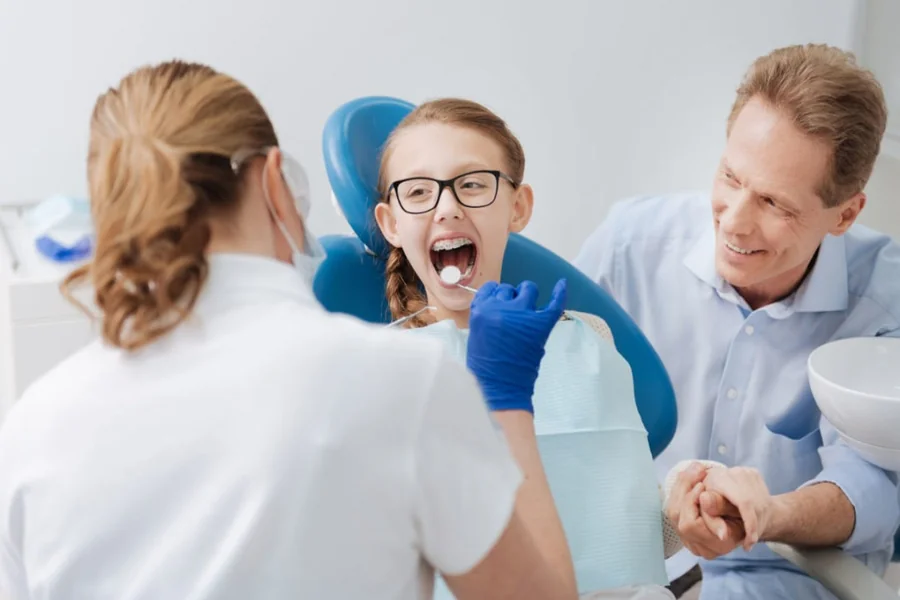
Smiles shape how you feel about yourself and how your family moves through each day. When you or your child avoids photos or hide your teeth, it wears on your confidence and your relationships. A trusted Dentist in Wall Township, NJ hears the same requests from families again and again. You want teeth that look clean. You want a straighter smile. You want chips or gaps fixed. You want results that last and do not disrupt school, work, or family routines. This guide explains four cosmetic dentistry options that parents and kids ask for most. You will see what each option does, who it helps, and what to expect during treatment. You can then talk with your dentist with clear questions and a calm mind. You deserve a smile that feels natural, strong, and comfortable to share.
1. Professional teeth whitening
Stains on teeth can grow over time from coffee, tea, tobacco, or some medicines. Many families start with whitening because it is fast and familiar.
Here is what you can expect in a dental office.
- Your dentist checks your teeth and gums first. Cavities or gum disease need care before whitening.
- A shield protects your lips and gums.
- A whitening gel goes on your teeth in short sessions.
- You rinse and see a new shade on the same day.
The American Dental Association explains that whitening works best on natural teeth and does not change crowns or fillings. At-home kits can help, but office care gives closer monitoring and stronger products.
Whitening often helps when you want to:
- Lighten yellow or brown stains
- Prepare for photos or events
- Boost a teen or adult who hides their smile
It does not fix shape, chips, or gaps. You may need other options for those changes.
2. Tooth colored bonding
Dental bonding uses tooth colored resin to change the shape or size of a tooth. You see this option used on a chipped front tooth after a fall or to close a small gap.
Here is how bonding usually works.
- The dentist chooses a resin shade that matches your tooth.
- The tooth surface gets a gentle roughening and a liquid that helps the resin stick.
- Resin goes on the tooth, and the dentist shapes it.
- A curing light hardens the resin.
- The surface gets trimmed and polished.
Bonding often works well for:
- Small chips or cracks
- Short or misshaped teeth
- Small gaps between front teeth
- Teeth with spots that do not respond to whitening
Bonding usually costs less than veneers or crowns. It often needs touch-ups over time because resin can stain or wear.
3. Clear aligners or braces for straighter teeth
Crooked teeth affect how you chew, speak, and clean your mouth. They also change how you feel about being seen. Many families ask about clear aligners because they are easier to accept than metal braces for some teens and adults.
You can choose from two paths.
- Traditional braces with brackets and wires
- Clear plastic aligners that you change in steps
The best choice depends on your bite, your age, and how much change you need. The Centers for Disease Control and Prevention notes that aligned teeth are easier to clean. That can lower your risk of decay and gum disease.
Clear aligners usually work well when:
- Crowding or spacing is mild to moderate
- You can keep the trays in for the recommended hours each day
- You want fewer food limits
Braces often work better for complex bite problems or very rotated teeth. Your dentist may refer you to an orthodontist for these choices.
4. Porcelain veneers
Veneers are thin shells that cover the front of teeth. They can change color, shape, and size at the same time. This option often helps when you want a more complete change in how your front teeth look.
The usual steps include:
- Planning and photos
- Shaping a small amount of the front tooth surface
- Taking molds or digital scans
- Placing temporary coverings if needed
- Trying and bonding the final veneers
Veneers can help with:
- Teeth that are worn or chipped
- Uneven or narrow teeth
- Stains that do not respond to whitening
- Gaps between teeth
Veneers last many years with good care. They cost more than bonding and are not reversible. You and your dentist should talk through risks, benefits, and other choices before you decide.
Comparing common cosmetic options
| Option | Main goal | Good for | Time to see results | Effect on tooth structure
|
|---|---|---|---|---|
| Professional whitening | Lighter tooth color | Surface stains on healthy teeth | Same day or within weeks | No change to shape |
| Bonding | Repair small defects | Chips, small gaps, single dark spots | One visit | Small surface change |
| Clear aligners or braces | Straighter teeth and better bite | Crowding, spacing, bite issues | Months to years | Moves teeth, does not cover them |
| Porcelain veneers | Full smile change in front teeth | Shape, color, and spacing problems | Several visits | Removes some enamel |
How to choose what is right for your family
You do not need to decide alone. A clear plan comes from three steps.
- Share what bothers you most about your teeth. Color, shape, or crowding.
- Ask what options fit your child or your own mouth health.
- Talk about cost, time, and how long results last.
You might use whitening to freshen a teen’s smile. You might choose bonding for a chipped tooth after sports. You might plan aligners for crowded teeth and then use whitening when treatment ends. Many families use more than one option over time.
You and your children deserve smiles that feel honest to who you are. With clear facts and a calm talk with your dentist, you can choose cosmetic care that fits your life and protects your health.